Carly Greeting Card SVG: A Practical Guide to Vintage 3D Paper Crafting
The resurgence of handmade stationery has brought a renewed appreciation for tactile, personalized gifts. Among the myriad of digital designs available to modern crafters, the Carly Greeting Card SVG stands out as a distinct option for those seeking a blend of nostalgia and structural complexity. This design is not merely a flat print; it is a layered, three-dimensional project that captures the playful aesthetic of the 1970s while utilizing contemporary cutting technology. For adults aged 20 to 50 who are evaluating resources for their crafting toolkit, understanding the specific requirements, assembly process, and comparative advantages of this file format is essential before committing to a purchase or download.
Understanding the Design and Aesthetic Appeal
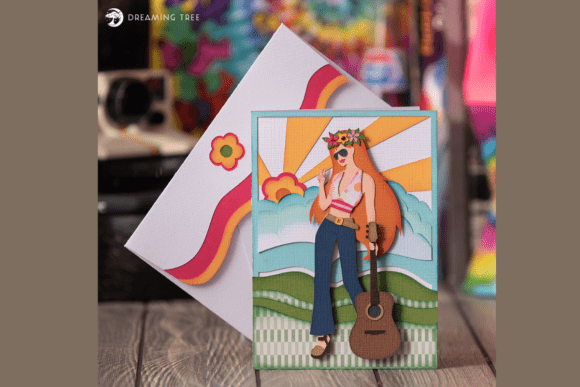
The Carly Greeting Card SVG is defined by its retro flair. Inspired by the vibrant yet earthy tones of the ’70s, the design incorporates playful details that evoke a sense of warmth and familiarity. Unlike minimalist modern cards that rely on stark lines and monochrome palettes, this project thrives on color interaction and depth. The final assembled card measures approximately 7 inches in height and 5 inches in width, with a depth of 0.125 inches, making it substantial enough to feel luxurious without being cumbersome to mail if properly packaged.
What makes this specific SVG distinct is its all-in-one nature. Many digital downloads provide only the cut files, leaving the user to decipher layering orders through trial and error. In contrast, the Carly design includes a comprehensive PDF legend. This document serves as a critical roadmap, helping crafters identify individual pieces and plan their paper color selection efficiently. For those new to 3D papercraft, this inclusion significantly reduces the cognitive load during the initial setup phase.
Compatibility and Technical Requirements
One of the primary decision factors for any digital crafter is software and hardware compatibility. The Carly Greeting Card SVG is designed to be universally compatible with major cutting machines, including Cricut, Silhouette CAMEO, and Brother ScanNCut. Because it is provided exclusively in SVG format, it integrates seamlessly into most design software ecosystems. However, users should note that the file is optimized for 12x12 inch cutting mats. While resizing is possible, altering the dimensions may affect the structural integrity of the tabs and folds, potentially requiring manual adjustments to the assembly process.
The supply list for this project is specific, reflecting the multi-layered nature of the design. To achieve the intended visual effect, crafters will need:
- Two sheets of 12x12 white cardstock for the base structure.
- Various 8.5x11 colored cardstocks, including chocolate, denim, fountain, apricot, caramel, coffee, dandelion, and lollipop hues.
This variety of colors is not arbitrary. The interplay between warm earth tones like caramel and coffee, contrasted with brighter accents like dandelion and lollipop, creates the vintage vibe central to the design’s appeal. Crafters who prefer a monochromatic or limited palette may find themselves needing to adapt the design significantly, which could compromise the intended depth cues.
Assembly Process and Learning Curve
A common concern when evaluating complex SVG projects is the difficulty of assembly. The Carly Greeting Card addresses this by including a step-by-step video tutorial. This resource is invaluable for visual learners who may struggle with static instructions. The video walkthrough guides users through each stage, from weeding the intricate cuts to folding the precise creases required for the 3D effect.
Despite these aids, the project does require a moderate level of patience and dexterity. The 0.125-inch depth implies multiple layers of cardstock stacked and adhered together. This means that precision in gluing is paramount. Using too much adhesive can cause warping, while too little may result in layers detaching over time. For beginners, this project serves as an excellent intermediate step—more challenging than a simple flat card but less daunting than a full-scale pop-up book mechanism.
Comparing SVGs to Other Crafting Formats
When deciding whether the Carly Greeting Card SVG is the right choice, it is helpful to compare it with alternative crafting approaches. Traditional die-cutting, for instance, offers speed and consistency but lacks the customization flexibility of digital SVGs. With a die, you are locked into a specific size and shape. With the Carly SVG, you have the freedom to change colors, swap out elements, or adjust minor details within your software before cutting.
Compared to printable PDF templates, SVG files offer superior precision for cutting machines. PDFs often require manual cutting or tracing, which can lead to inconsistencies in layer alignment. The vector-based nature of SVG ensures that every curve and corner is cut exactly as designed, which is crucial for the tight tolerances needed in 3D assembly. However, this comes with the tradeoff of requiring specific hardware. If a crafter does not own a cutting machine, the SVG format is inaccessible, making a pre-cut kit or a printable template a more viable alternative.
Evaluating Time Investment and Cost Efficiency
From a resource management perspective, the Carly Greeting Card SVG represents a balance between cost and effort. The initial investment is low—typically just the cost of the digital file and the cardstock. However, the time investment is higher than standard card-making. The need to cut multiple small pieces from various colored papers, weed them carefully, and assemble them layer by layer can take several hours for a first-time builder.
For those looking to produce gifts in bulk, this may not be the most efficient option. The specific color requirements and intricate assembly make each card a unique labor of love rather than a quick production item. Conversely, for a special occasion where the recipient values personal effort and artistic detail, the time spent enhances the perceived value of the gift. The ability to customize the color scheme to match the recipient’s preferences also adds a layer of personalization that mass-produced cards cannot match.
When to Choose This Design
The Carly Greeting Card SVG is an ideal choice for crafters who enjoy the process as much as the result. It suits individuals who have access to a 12x12 cutting machine and are comfortable following video tutorials. It is particularly well-suited for occasions that benefit from a nostalgic or cheerful tone, such as birthdays, thank-you notes, or casual greetings.
However, it may not be the best fit for those seeking a minimalist aesthetic or those with limited time. If you prefer clean lines and single-layer designs, a simpler SVG or a die-cut template might better align with your style. Additionally, if you do not have a diverse stash of colored cardstock, the cost of acquiring the specific shades listed (such as fountain or lollipop) might outweigh the benefit of the digital file itself.
Making an Informed Decision
Ultimately, the decision to use the Carly Greeting Card SVG depends on your crafting goals, available tools, and aesthetic preferences. It offers a structured yet creative outlet for exploring 3D papercraft, supported by robust instructional materials. By understanding the material requirements and assembly demands, you can determine if this project aligns with your current skills and resources. Whether you are expanding your portfolio of digital designs or seeking a meaningful handmade gift idea, this vintage-inspired option provides a compelling blend of challenge and charm.