Evaluating the Flexible Legs Happy Face Planter for Home Decor
The intersection of functional gardening and whimsical interior design has given rise to unique decor items like the Flexible Legs Happy Face Planter. This articulated pot, characterized by its cheerful facial expression and poseable limbs, represents a shift toward personality-driven home accessories. For individuals interested in 3D printing or unique succulent displays, understanding the practical implications, aesthetic value, and maintenance requirements of this item is essential before committing to a download or purchase.
Understanding the Design and Functionality
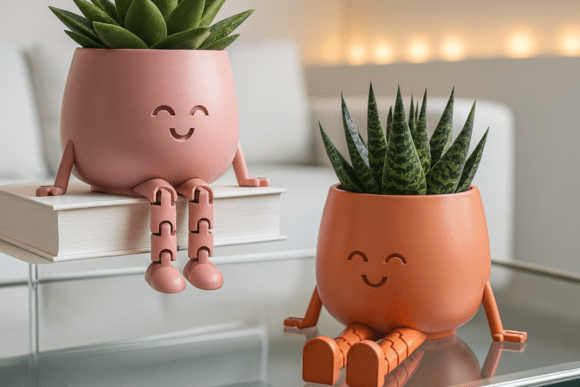
At its core, this planter is a vessel designed to hold small indoor plants, such as succulents, cacti, or air plants. However, its distinguishing feature is the mechanical articulation of its arms and legs. Unlike static ceramic or plastic pots, the flexible joints allow users to position the planter in various dynamic poses. It can sit upright, lean casually against a book spine, or dangle its legs over the edge of a shelf. The "happy face" motif adds a layer of kawaii-inspired charm, appealing to those who prefer playful, lighthearted aesthetics over minimalist or industrial styles.
For those accessing the design via a 3D STL digital file, the production process places the responsibility of material selection and print quality on the user. This digital format offers significant customization potential, allowing for color variations that match specific room palettes. However, it also requires access to a 3D printer and a basic understanding of slicing software to ensure structural integrity and proper fit for the plant root ball.
Reasons for Interest and Potential Benefits
There are several compelling reasons why hobbyists and decorators might consider this specific planter design. Primarily, it serves as an emotional uplift in personal spaces. In environments such as home offices or study nooks, where stress levels can be high, visual cues of happiness and playfulness can contribute to a more positive atmosphere. The anthropomorphic design transforms a passive object into an active "companion," which can be particularly appealing for individuals working remotely or students seeking a comforting presence.
From a decorative standpoint, the Flexible Legs Happy Face Planter offers versatility in placement. Its ability to perch on narrow ledges, monitor tops, or window sills makes it suitable for spaces with limited surface area. Furthermore, for DIY enthusiasts, the opportunity to customize the color and finish provides a sense of ownership and creative satisfaction that mass-produced items cannot replicate. It allows for seamless integration into existing color schemes, whether one prefers pastel tones for a soft look or bold primaries for a pop-art effect.
Practical Considerations and Tradeoffs
While the aesthetic appeal is strong, potential buyers or printers must weigh several practical tradeoffs. The primary consideration is plant health. Succulents and cacti require specific drainage conditions to thrive. Many novelty planters, including articulated designs, may lack adequate drainage holes or have shallow root zones due to the structural constraints of the legs and joints. Users must assess whether the STL file includes provisions for drainage or if they need to modify the design. Without proper drainage, there is a risk of root rot, which could compromise both the plant and the structural integrity of the printed material if water accumulates.
Another factor is durability. 3D-printed objects, typically made from PLA or PETG filaments, have different thermal and moisture resistance properties compared to traditional ceramics. Prolonged exposure to direct sunlight on a windowsill may cause warping or fading over time. Additionally, the articulated joints, while fun, can be points of weakness. Frequent repositioning may lead to wear and tear, potentially causing limbs to loosen or break if the print quality is not optimal.
Ideal Use Cases
This planter is a strong fit for specific scenarios where aesthetics and low-maintenance greenery intersect. It is ideal for:
- Desk Accessories: Adding a touch of personality to a workspace without taking up significant desk real estate.
- Gift Giving: Serving as a unique, personalized gift for plant lovers or 3D printing enthusiasts who appreciate quirky decor.
- Themed Decor: Complementing rooms with a playful, eclectic, or youthful vibe, such as children’s rooms or creative studios.
- Small Plant Displays: Showcasing small, slow-growing succulents that do not require frequent repotting or deep soil beds.
When to Consider Alternatives
Despite its charm, the Flexible Legs Happy Face Planter may not be suitable for every gardener or decor style. Individuals prioritizing plant health above all else might prefer traditional terracotta or glazed ceramic pots with proven drainage systems and breathable materials. Those with large, fast-growing plants will find the limited capacity of this novelty pot restrictive.
Furthermore, if your interior design philosophy leans toward minimalism, Scandinavian simplicity, or formal elegance, the whimsical nature of the smiling face and articulated limbs may clash with the overall ambiance. In such cases, sleek, geometric planters or natural stone vessels would align better with your goals. Additionally, users without access to a 3D printer must consider the cost and wait time associated with ordering custom prints, which may negate the convenience factor compared to buying off-the-shelf decor.
Making an Informed Decision
Choosing the right planter involves balancing emotional appeal with horticultural practicality. If you are drawn to the Flexible Legs Happy Face Planter, start by evaluating the specific STL file or product specifications. Check for reviews regarding drainage effectiveness and joint durability. If you are printing it yourself, test different infill densities to ensure the legs can support the weight of the soil and plant without sagging.
Consider the light conditions of your intended placement. If the spot receives intense direct sunlight, opt for UV-resistant filaments or place the planter in indirect light to preserve its appearance. Finally, match the plant choice to the pot’s constraints. Small, drought-tolerant species like Echeveria or Haworthia are excellent candidates, as they require less soil depth and are less prone to issues caused by limited drainage.
In conclusion, this planter is more than just a container; it is a statement piece that brings joy and character to a space. By understanding its limitations and leveraging its strengths, you can determine if it aligns with your decorative vision and gardening needs. Whether used as a cheerful desk companion or a unique gift, it offers a blend of functionality and fun that can enhance the daily environment for those who appreciate the lighter side of home decor.