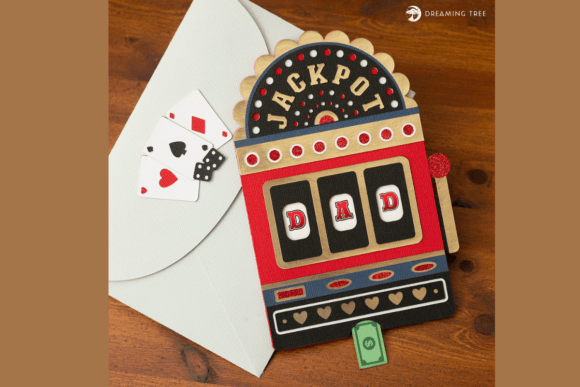
Lucky Pull Card: A Vegas-Inspired Paper Craft
There is a distinct thrill in the anticipation of a big win, the flash of lights, and the satisfying clatter of coins. Capturing that electric atmosphere in a tangible, handcrafted format requires more than just standard cardstock; it demands design, precision, and a touch of theatrical flair. The Lucky Pull Card achieves exactly this by transforming a simple greeting into an interactive experience. This is not merely a flat piece of paper but a layered paper craft designed to mimic the iconic aesthetics of a classic Las Vegas slot machine. With its vibrant reds, glitzy golds, and functional pull handle, it serves as a perfect medium for birthdays, celebrations, or congratulating someone on a significant life milestone.
For creators, designers, and hobbyists, this project represents an excellent opportunity to blend technical cutting skills with artistic assembly. Whether you are crafting for a dedicated gambler, a game night enthusiast, or simply someone who appreciates intricate details, this unique design offers a winning surprise that stands out in a digital world. The appeal lies in its ability to evoke nostalgia and excitement simultaneously, making the act of giving a card feel like participating in a game of chance where everyone wins.
Design Elements That Bring the Jackpot to Life
The visual impact of the Lucky Pull Card relies heavily on its intricate detailing and color psychology. The design utilizes a palette of vibrant reds and rich golds, colors traditionally associated with luck, energy, and wealth. These hues are not randomly selected; they are chosen to trigger an immediate emotional response reminiscent of casino floors and high-stakes excitement. The inclusion of playful embellishments, such as lucky number icons and miniature playing cards, adds depth and texture to the final product.
One of the most engaging features is the mechanical aspect of the pull handle. This element transforms the card from a static object into an interactive toy. When the recipient pulls the handle, it suggests action and movement, enhancing the thematic consistency of the slot machine motif. The layered construction allows for shadows and dimensionality that flat printing cannot achieve. For those using cutting machines, this means paying close attention to the layering order during assembly to ensure the handle moves smoothly without catching on adjacent paper elements.
The card measures approximately 7.375 inches in height and 5 inches in width, making it substantial enough to hold detailed artwork while remaining easy to mail or display. The inclusion of two miniature playing cards provides an extra festive touch, allowing for customization. You might choose to write a personal message on these smaller cards or leave them blank for the recipient to fill in their own "lucky numbers" or wishes.
Practical Applications for Creators and Small Businesses
While the primary use case is personal gifting, the versatility of the Lucky Pull Card extends into various professional and semi-professional contexts. Small business owners in the event planning or party supply industry can utilize this design to create premium, handmade invitations for casino-themed parties, bachelor or bachelorette parties, or retirement celebrations. The tactile nature of the card adds perceived value, justifying a higher price point for custom stationery services.
Educators and workshop leaders can also find value in this project. It serves as an excellent teaching tool for intermediate papercrafters who are ready to move beyond basic shapes and explore complex layering and mechanical functions. By breaking down the assembly process, instructors can demonstrate how to manage multiple layers of cardstock, adhere small details precisely, and troubleshoot common issues with moving parts. The accompanying step-by-step video tutorial ensures that even those new to complex assemblies can achieve professional-looking results.
Freelance designers and marketers might use this concept as inspiration for broader campaigns. The idea of "hitting the jackpot" is a powerful metaphor in business contexts. Adapting the visual language of the Lucky Pull Card for corporate congratulations—such as closing a major deal or reaching a sales target—can make internal recognition feel more celebratory and less formal. The key is maintaining the balance between fun and professionalism, ensuring the design remains elegant rather than overly kitschy.
Technical Specifications and Material Recommendations
To achieve the best results with the Lucky Pull Card, selecting the right materials is crucial. The design is optimized for 12x12 cutting machines, which provide the necessary surface area for the larger base layers. However, the project is fully compatible with all SVG-ready cutting machines and software, offering flexibility for users with different equipment. It is important to note that while resizing is possible, the final dimensions may differ slightly from the original, potentially affecting the fit of smaller components like the playing cards or icons.
The supply list is specific but accessible. You will need one sheet of 12x12 Glacier Melt cardstock and one sheet of 12x12 Snowy White cardstock for the base and structural layers. For the vibrant accents, four sheets of 8.5x11 All American Red cardstock are recommended. Using high-quality cardstock with a weight of at least 65-80 lbs ensures durability and prevents tearing during the assembly of the pull mechanism. Thinner papers may buckle under the tension of the handle, compromising the interactive element.
The design is delivered in SVG format, which is universally recognized by cutting software. Alongside the SVG file, a handy PDF legend is included to help you easily identify the pieces and pick your paper colors. This legend is an invaluable resource for organization, especially when dealing with numerous small cutouts. Labeling your pieces before assembly can save significant time and reduce frustration, ensuring a smoother workflow from cutting to final glue-up.
Creative Variations and Customization Ideas
While the default color scheme is striking, the true beauty of digital papercraft lies in its adaptability. Creators are encouraged to experiment with different color palettes to suit various occasions. For a birthday, consider using the recipient’s favorite colors instead of the traditional red and gold. For a wedding or anniversary, soft pastels or metallic silvers and whites can transform the slot machine theme into something more romantic and elegant. The core structure remains the same, but the aesthetic can be completely reinvented.
Another avenue for creativity is the thematic content of the icons. Instead of standard lucky numbers, you could incorporate symbols relevant to the recipient’s hobbies or interests. For a traveler, replace cherries and bells with airplanes and globes. For a musician, use notes and instruments. This level of personalization turns a generic template into a deeply meaningful gift. The SVG format makes it easy to swap out these small elements if you have basic vector editing skills, or you can simply cut them from different colored papers to create contrast.
For those looking to add an extra layer of interactivity, consider incorporating sound or light. Small, battery-operated LED tea lights can be placed behind the card to illuminate the windows of the slot machine, mimicking the flashing lights of a real machine. Alternatively, a small sound chip that plays a winning jingle when the card is opened can enhance the sensory experience. These additions require careful planning during assembly to ensure wires and batteries do not interfere with the pull handle mechanism.
Ensuring Quality and Consistency in Assembly
Achieving a polished final product requires attention to detail during the assembly phase. Start by organizing all cut pieces according to the PDF legend. Use tweezers for handling small embellishments like the lucky number icons and playing cards, as fingers can sometimes obscure visibility or apply too much pressure. Apply adhesive sparingly but securely, focusing on the edges and centers of larger pieces to prevent warping.
When assembling the pull handle, test the movement frequently. Ensure there is enough clearance between the handle and the card body to allow for smooth operation. If the handle feels stiff, check for any excess glue or misaligned layers that might be causing friction. Patience is key here; rushing this step can lead to a mechanism that jams or breaks.
Finally, consider the presentation. The Lucky Pull Card is a statement piece, so pairing it with a simple envelope allows the design to shine. Avoid overly ornate envelopes that might compete with the card’s intricate details. A plain white or matching red envelope works best, keeping the focus on the craftsmanship of the card itself. By following these practical guidelines and embracing the creative possibilities, you can produce a Lucky Pull Card that is not just a greeting, but a memorable keepsake.