Capture the Moment: The Magic of the Aperture Camera Card SVG Design
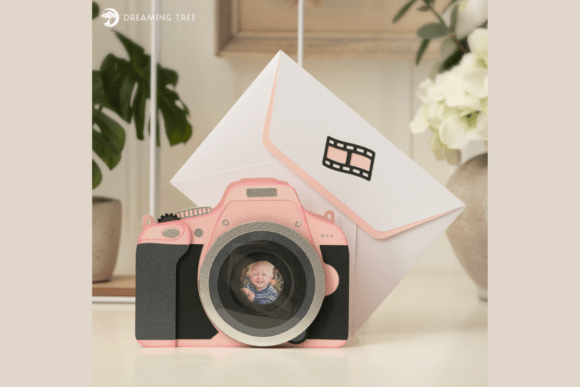
In a world dominated by digital screens and fleeting social media posts, there is a profound resurgence in the desire for tangible, handcrafted memories. For photographers, videographers, and anyone who cherishes the art of capturing life's milestones, the Aperture Camera Card SVG offers a unique intersection of nostalgia and modern creativity. This interactive card design does more than just hold a message; it tells a story through its very structure, mimicking the iconic lens of a professional camera to reveal a hidden photo or surprise image.
Whether you are crafting a heartfelt birthday wish, a celebratory Father’s Day tribute, or a graduation keepsake, this project transforms standard paper into a functional piece of art. By exploring the mechanics, materials, and creative potential of this design, we can understand why it has become a favorite among papercrafters and how it elevates the simple act of sending a greeting card.
The Art of Interactive Papercrafting
Traditional greeting cards are often static—a flat surface with an image and a sentiment. However, the Aperture Camera Card introduces a dynamic element that engages the recipient immediately. The core feature of this design is the working aperture-style lens. Much like the mechanical diaphragm inside a real camera lens that opens and closes to control light, this paper mechanism physically moves when the card is opened.
This interactivity serves a dual purpose. First, it creates a moment of "wow" factor, drawing the eye and encouraging the recipient to interact with the card rather than simply reading it and setting it aside. Second, it provides a dramatic reveal. As the aperture blades slide apart, they uncover a photograph, a handwritten note, or a colorful pattern hidden beneath. This mechanic turns the card into a mini-theater, where the recipient becomes part of the performance.
Why Photography Lovers Adore This Design
For enthusiasts of photography, the symbolism is deeply resonant. The camera is not just a tool; it is a vessel for memory. By shaping a card into a camera, you are honoring the recipient's passion or celebrating a shared experience captured through a lens. It is particularly effective for:
- Father’s Day: A perfect gift for dads who love taking family photos or documenting their hobbies.
- Graduations: Ideal for students graduating from photography programs or those embarking on new journeys to be documented.
- Travel Themes: A fitting accompaniment to travel journals or postcards, emphasizing the act of seeing and recording the world.
- Birthdays: A stylish way to present a favorite snapshot of the year gone by.
The design bridges the gap between the technical appreciation of optics and the emotional warmth of a handmade gift. It acknowledges that while technology captures the image, human hands create the connection.
Understanding the Digital Workflow: SVG Files and Cutting Machines
To bring this intricate design to life, one must navigate the modern landscape of digital crafting. The term SVG (Scalable Vector Graphics) is central to this process. Unlike raster images (like JPEGs or PNGs) which are made of pixels and lose quality when resized, SVG files are based on mathematical paths. This makes them infinitely scalable without losing clarity, ensuring that every curve of the camera body and every edge of the aperture blade remains crisp.
The Aperture Camera Card design is provided as an SVG file, making it fully compatible with all major SVG-ready cutting machines, such as Cricut, Silhouette Cameo, and Brother ScanNCut. These machines read the vector data to guide a precision blade, cutting the complex layers of the card from your chosen materials.
Optimizing Your Cut Settings
While the design is versatile, understanding your machine's capabilities is key. The project is specifically designed with 12×12 inch cutting mats in mind, which is the industry standard for high-volume crafting. However, a common misunderstanding among beginners is assuming the final product will always match the original dimensions exactly.
You have the freedom to resize the project to fit your specific needs. Perhaps you want a smaller card for a compact envelope or a larger statement piece for a display. When you resize an SVG, the proportions remain consistent, but the final dimensions will naturally differ from the template's default size. Always check your software settings before cutting to ensure the scale matches your vision.
Material Selection: Building Depth and Texture
A successful papercraft project relies heavily on the quality and variety of materials used. The Aperture Camera Card is not a single-layer cut; it is a multi-dimensional assembly that requires careful selection of cardstock to achieve the desired look and structural integrity.
The recommended supply list suggests a palette that balances elegance with contrast. Using Encore Cardstock 80 lb cover ensures that the pieces are sturdy enough to withstand the mechanical movement of the aperture without bending or tearing. Here is how the material choices contribute to the final aesthetic:
- Pink Champagne and Snowy White: These lighter tones provide a soft, sophisticated background, perfect for highlighting the central image.
- Jet Black and Black Pearlescent: Essential for creating the camera body. The pearlescent finish adds a subtle sheen that mimics the metallic housing of a real camera, adding a touch of luxury.
- Silver Foil: Used for accents, silver foil catches the light, simulating the chrome rings found on high-end lenses.
- Clear Acetate: This is a critical component. Often used to protect the hidden photo or to add a glass-like effect over the lens area, acetate adds a layer of realism and durability.
Additionally, the inclusion of a coordinating envelope with a filmstrip accent ties the entire presentation together. This small detail reinforces the photographic theme, ensuring that even the packaging feels intentional and cohesive.
Assembly and Technical Support
One of the barriers to entry for complex papercraft projects is the fear of assembly. How do the moving parts actually work? To address this, the Aperture Camera Card package includes comprehensive support resources designed to make the process accessible to both novices and experts.
First, a PDF legend is included. This document acts as a map, helping you easily identify each cut piece. Since the design involves multiple layers and similar shapes, the legend prevents confusion during the sorting phase. It also assists in picking the correct paper colors for each specific component, ensuring the color scheme aligns with your vision.
Furthermore, a step-by-step video tutorial is provided. Watching the assembly process in motion allows you to see the precise folding techniques, the application of foam squares for dimension, and the placement of mini brads that serve as the pivot points for the aperture. Foam squares are particularly important here; they create the necessary spacing between layers so the lens can open and close smoothly without friction.
Common Misconceptions About Assembly
Many crafters assume that because a design is digital, the physical assembly is difficult or requires advanced engineering skills. In reality, the beauty of this design lies in its simplicity once the pieces are cut. The mechanics rely on basic principles of leverage and pivoting. With the right glue (such as Glue All) and patience, the result is a professional-grade card that looks far more complex than it is to build.
The Broader Impact of Handmade Gifts
Why does this matter in our modern lives? In an era of instant messaging and mass-produced goods, the time and effort invested in a handmade card carry immense weight. The Aperture Camera Card represents a shift back toward intentionality. It says, "I thought about what you love, I learned a new skill, and I spent time creating something unique just for you."
This type of creative expression fits seamlessly into various aspects of life. In education, it teaches spatial reasoning and fine motor skills. In business, personalized cards can leave a lasting impression on clients. In daily activities, it encourages mindfulness and the joy of creation. By engaging with tools like SVG files and cutting machines, individuals are not just making crafts; they are participating in a blend of technology and tradition that honors the past while embracing the future.
Conclusion
The Aperture Camera Card SVG is more than just a file download; it is an invitation to create magic. By combining the mechanical intrigue of a camera lens with the tactile warmth of cardstock, it offers a memorable way to capture and share moments. Whether you are a seasoned crafter looking for a new challenge or a beginner eager to learn, this project provides the perfect balance of fun and functionality.
With the right supplies, clear instructions, and a little bit of creativity, you can transform sheets of paper into a cherished keepsake. So, load your cutting mat, select your colors, and get ready to send a message in style—one that truly captures the moment.